






Why Asphalt Driveways Stand the Test of Time
By Robert Heap | March 19, 2026
As homeowners look for a balance of durability, affordability, and visual appeal, the asphalt driveway has remained a popular choice. Its smooth finish, practical installation process, and long-lasting performance make it ideal for both residential and commercial properties. Beyond aesthetics, asphalt driveways offer resilience that withstands daily wear and extreme weather. According to Bob Vila, an asphalt driveway can generally last 20 to 30 years, making it a reliable investment for any property owner.
Whether you are building a new home or replacing an old driveway, understanding what makes asphalt stand out can help you make an informed decision. Its combination of strength, flexibility, and cost-effectiveness often makes it the most practical option for homeowners seeking a long-term solution.
What Makes Asphalt Driveways So Durable?
The durability of an asphalt driveway begins with its composition. Asphalt consists of aggregates like crushed stone, sand, and gravel bound together with a petroleum-based binder. This combination creates a flexible surface that can expand and contract with changing temperatures, reducing the risk of cracks and other common forms of damage. Unlike rigid materials such as concrete, asphalt can absorb minor stress caused by heavy vehicles or seasonal freeze-thaw cycles, which often damage less resilient surfaces.
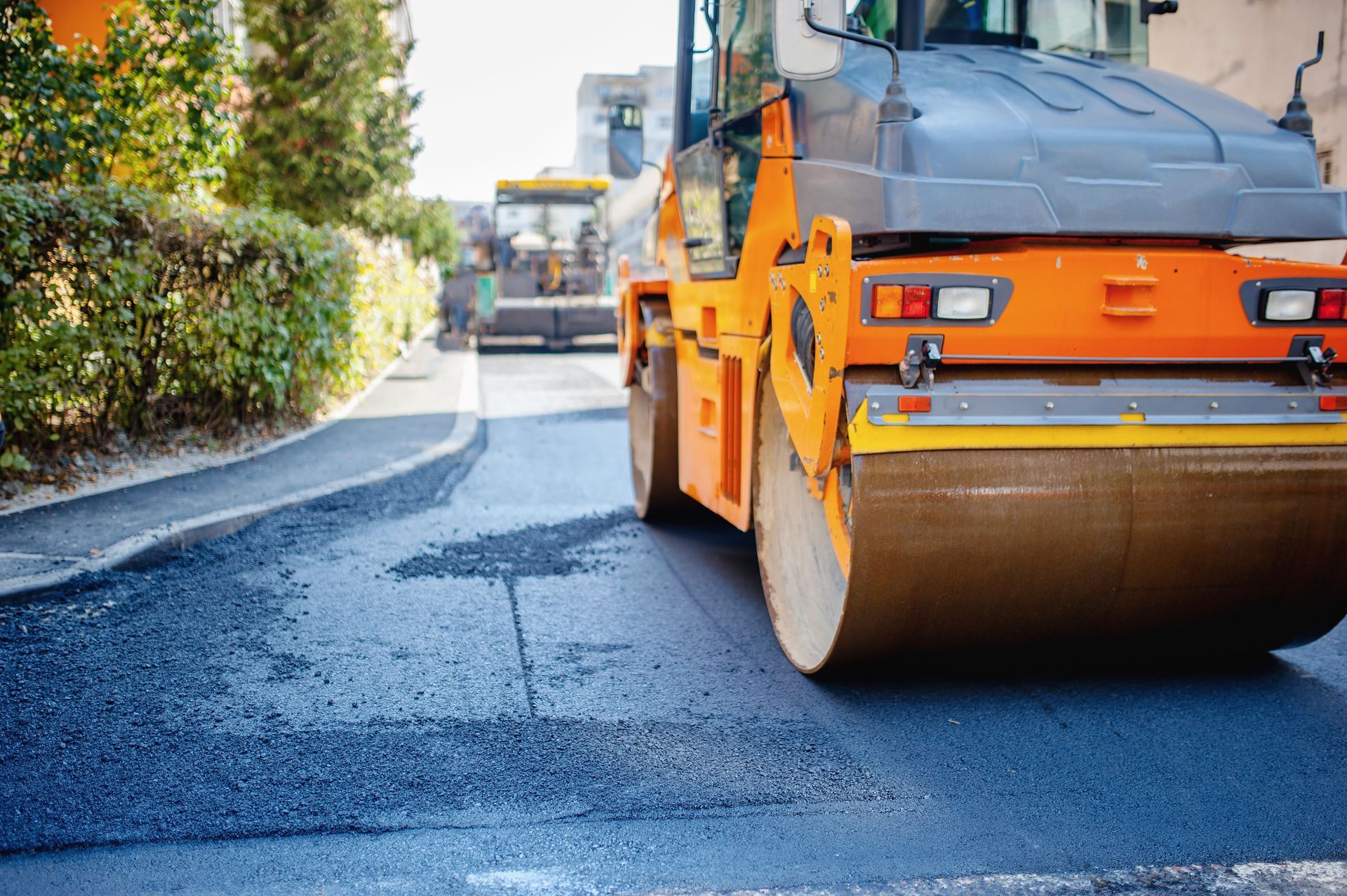
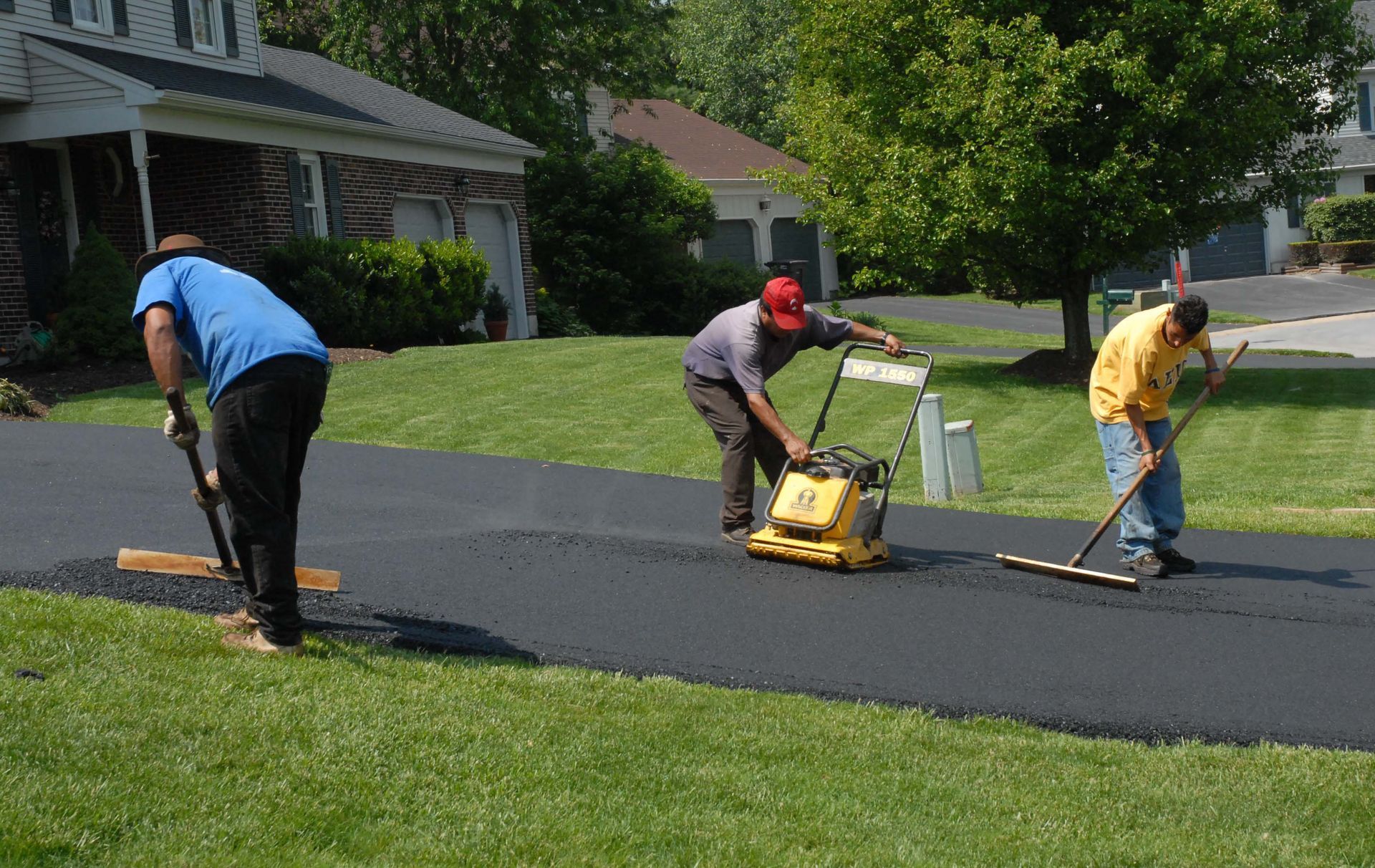
Proper installation is also critical to the longevity of an asphalt driveway. A well-prepared base layer provides even support and ensures proper drainage, preventing water from seeping underneath and causing structural issues. When installed correctly, the surface can withstand substantial weight and high traffic without significant deterioration. This is one of the main reasons homeowners choose asphalt driveways over alternatives—it combines structural strength with adaptive flexibility.
Additionally, asphalt’s dark surface naturally retains heat, which helps to melt snow and ice faster in colder months. This not only improves safety but also reduces the likelihood of damage caused by repeated freeze-thaw cycles. With regular care, an asphalt driveway’s durability can easily exceed two decades, providing excellent long-term value.
Are Asphalt Driveways Affordable?
One of the most compelling reasons to choose an asphalt driveway is its cost-effectiveness. Initial installation costs are typically lower than those for concrete or brick driveways, making asphalt a budget-friendly option without sacrificing quality. Asphalt materials are widely available, which keeps pricing competitive, and professional installation is usually faster than for other paving options, reducing labor expenses.
Maintenance costs for asphalt driveways are also relatively low compared with other surfaces. While it does require periodic sealing to maintain its integrity, these preventive measures are quick and inexpensive compared with the repairs often required for concrete or stone driveways. Over time, the combination of lower installation and maintenance costs makes asphalt a financially sound choice for homeowners.
Another financial advantage is the material’s adaptability. If repairs are needed, small sections of an asphalt driveway can be patched seamlessly, restoring the surface without the need for complete replacement. This contrasts with concrete driveways, where even minor damage often requires more extensive work. For homeowners concerned about long-term expenses, an asphalt driveway represents a smart investment that balances upfront cost with lasting value.
How Do You Maintain an Asphalt Driveway?
Maintenance is essential to maximizing the lifespan of an asphalt driveway. Regular cleaning, crack filling, and sealing can significantly extend its usability and keep it looking fresh. Removing debris such as leaves, dirt, and oil stains prevents the material from degrading prematurely, and filling small cracks promptly helps avoid larger issues down the line.
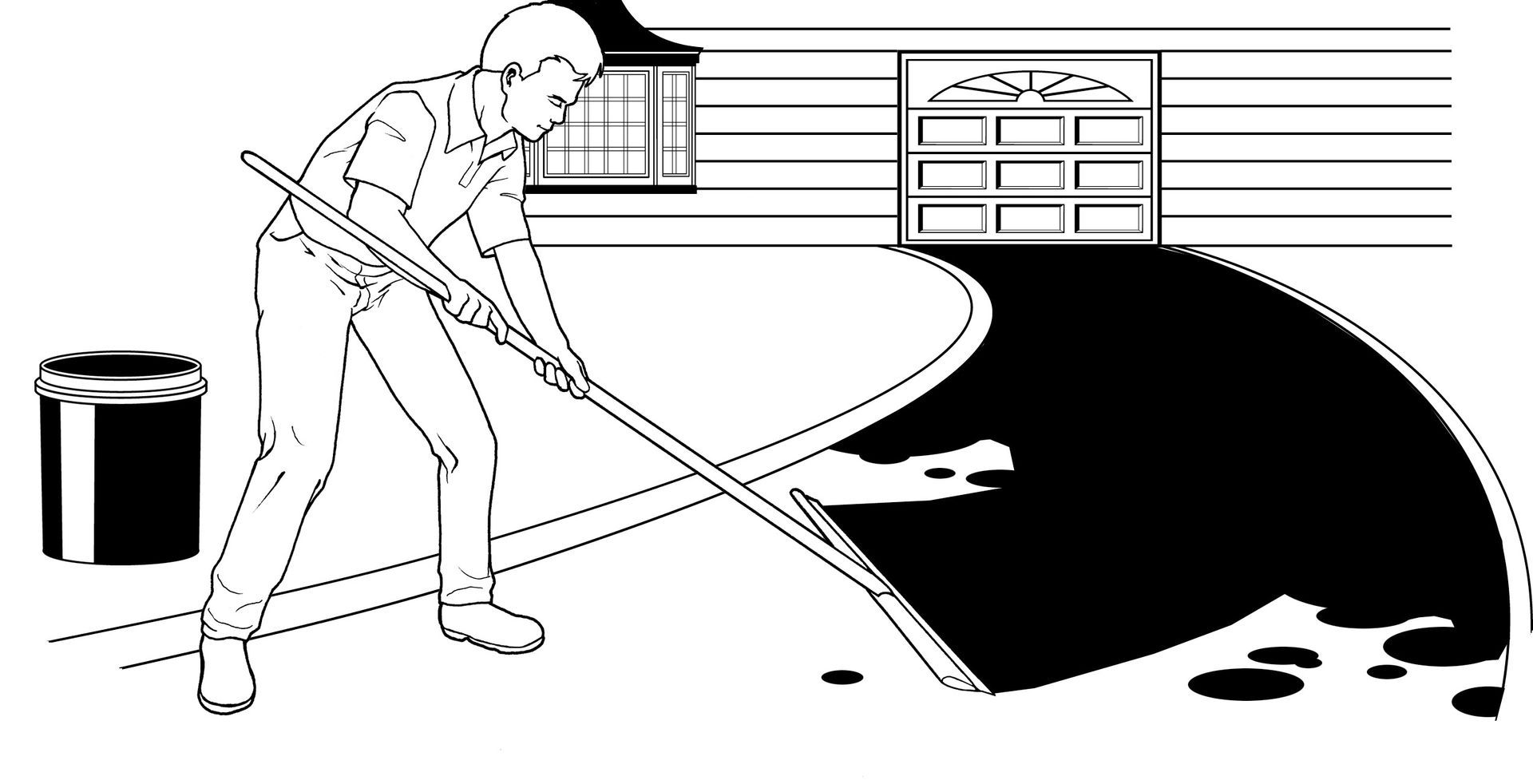
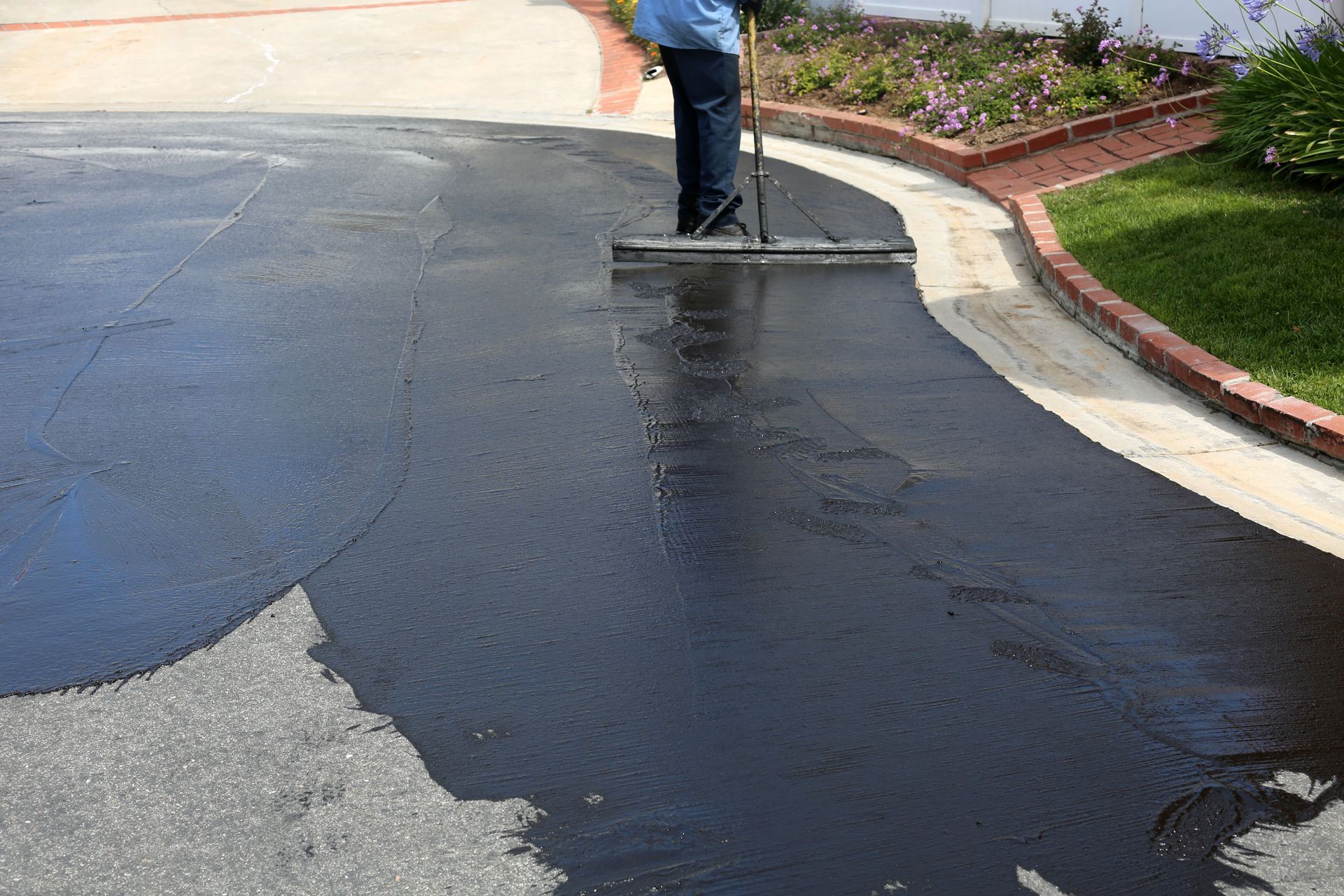
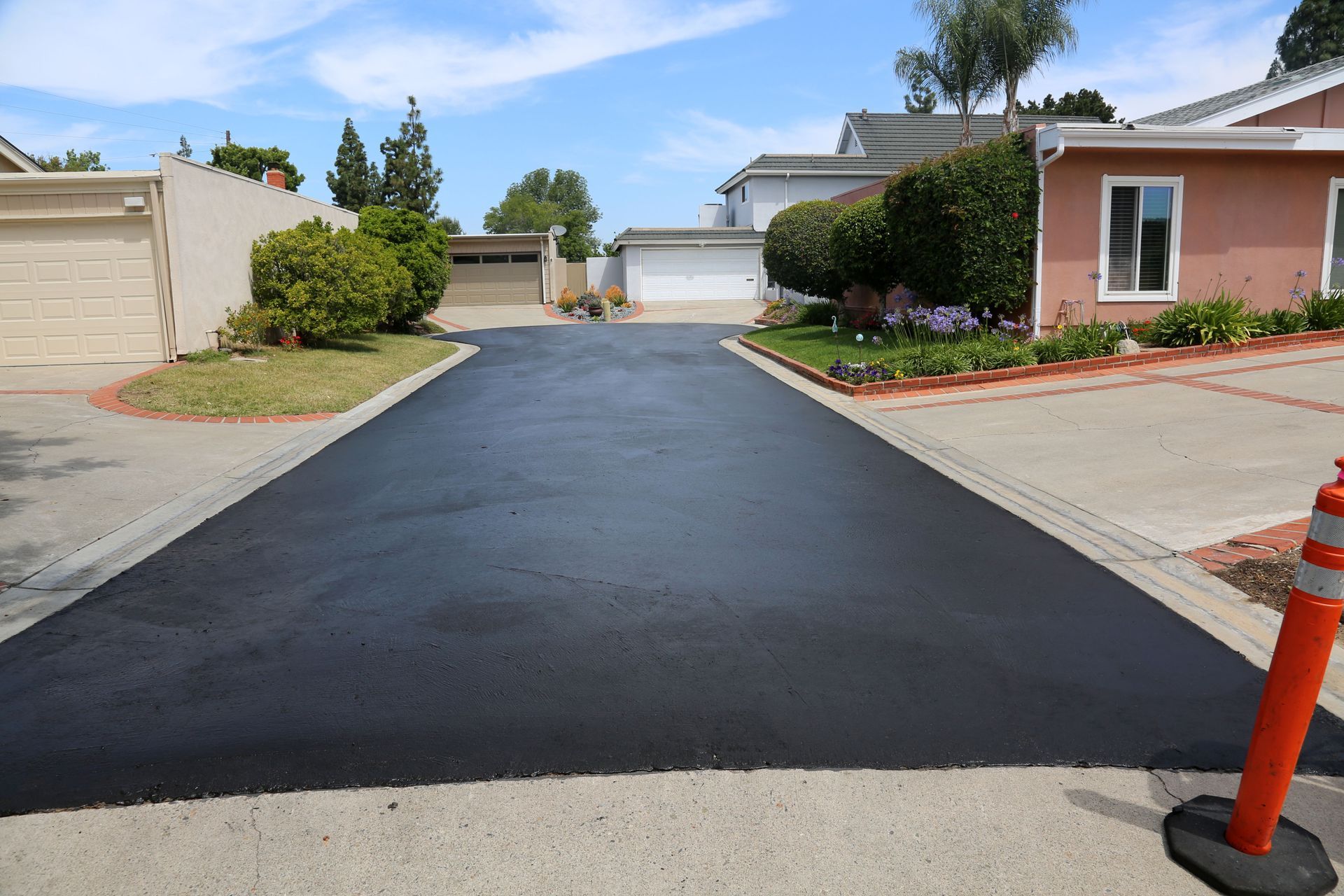
Sealcoating is one of the most effective maintenance practices. Applying a protective layer every few years shields the asphalt from UV rays, water damage, and chemical spills. Sealcoating not only preserves the driveway’s appearance but also reinforces its structural integrity, ensuring it continues to withstand heavy traffic and extreme weather.
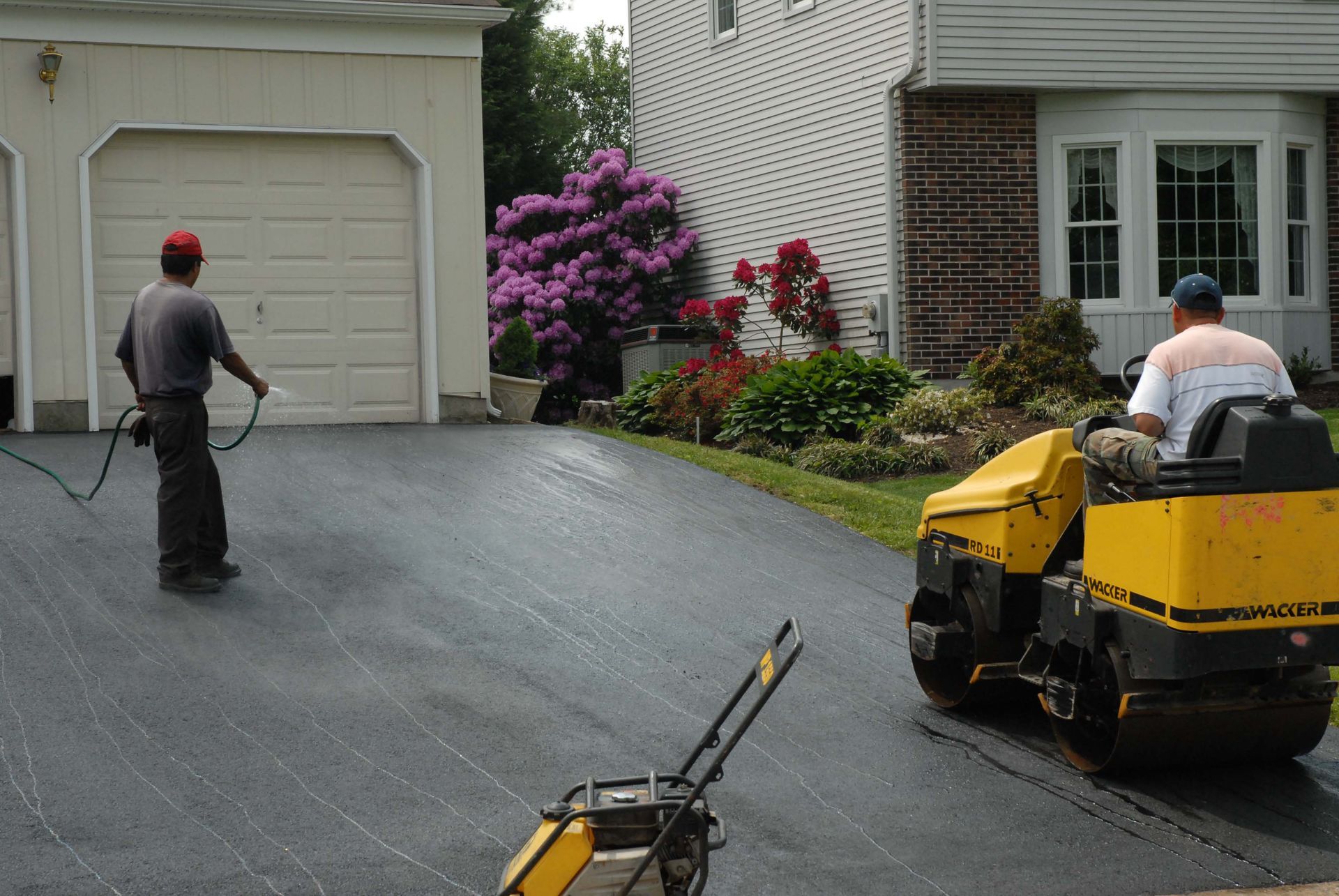
Proper drainage is another key factor. Water that pools on an asphalt driveway can weaken the surface over time, leading to cracking and potholes. Ensuring the driveway slopes appropriately and that gutters or drainage systems direct water away from the surface will prevent long-term damage. With attentive care, an asphalt driveway can remain both functional and attractive for decades.
Are Asphalt Driveways Environmentally Friendly?
While asphalt is petroleum-based, modern production methods have introduced more sustainable practices. Many asphalt suppliers now incorporate recycled materials such as reclaimed asphalt pavement into new mixes, reducing the need for virgin resources and minimizing environmental impact. Using recycled aggregates not only conserves raw materials but also diverts waste from landfills, contributing to a more sustainable construction process. These innovations also help reduce the carbon footprint associated with asphalt production, making it a more environmentally responsible choice for homeowners and contractors alike. Additionally, ongoing research into warm-mix asphalt techniques allows producers to lower energy consumption during manufacturing, further enhancing the sustainability of asphalt driveways.
Additionally, the dark color of asphalt, while sometimes contributing to heat absorption, can be leveraged to improve energy efficiency. In colder climates, asphalt driveways naturally absorb and retain heat, reducing ice accumulation and lowering the need for chemical deicers. This not only improves safety during winter months but also lessens the environmental impact of chemical treatments on surrounding soil and vegetation. When maintained properly, asphalt driveways can serve as a long-lasting, eco-conscious alternative to more resource-intensive paving options, providing both practical and environmental benefits.
For homeowners seeking environmentally responsible choices, it is possible to select asphalt products designed with recycled content and lower emissions in mind. These options allow an asphalt driveway to combine durability, affordability, and sustainability without compromising performance. By choosing these greener alternatives, property owners can enjoy a reliable, attractive driveway while actively contributing to resource conservation and reduced environmental impact.
How Do Asphalt Driveways Compare to Concrete Driveways?
When comparing asphalt driveways to concrete, several factors stand out. Concrete driveways are rigid, strong, and resistant to certain types of wear, but they are more prone to cracking under temperature fluctuations and heavy stress. Asphalt driveways, by contrast, are flexible and can handle freeze-thaw cycles more effectively, making them particularly suitable for climates with extreme seasonal changes.
Cost is another differentiator. Concrete driveways often come with higher installation and repair costs due to labor-intensive preparation and curing requirements. Asphalt driveways can be installed more quickly and at a lower overall cost, making them an attractive option for budget-conscious homeowners.
From an aesthetic standpoint, concrete offers a broader range of color and texture options, while asphalt provides a classic, sleek black finish that can complement many architectural styles. For homeowners prioritizing functionality, longevity, and cost-efficiency, asphalt driveways frequently offer the best balance. Moreover, asphalt can be resurfaced relatively easily if it begins to show wear, whereas concrete repairs are often more complex and expensive.
Ultimately, the choice between asphalt and concrete comes down to priorities. For those seeking flexibility, durability, and long-term cost savings, an
asphalt driveway is often the superior option. Its combination of resilience, adaptability, and ease of maintenance makes it an enduring choice for homeowners across the country.
Asphalt driveways continue to stand the test of time because they blend durability, affordability, and practicality. With proper installation and routine maintenance, they can last 20 to 30 years, according to Bob Vila, providing a long-term solution that suits a wide range of homes and climates. Flexible, cost-effective, and increasingly sustainable, asphalt driveways remain a dependable choice for homeowners who want both performance and visual appeal. By investing in quality materials and attentive care, an asphalt driveway offers lasting value and a timeless look that enhances any property. If you're ready for a new driveway, reach out to the professionals at Driveways by Heap today!



Share On: