






Is There a Difference in the Process of Commercial and Residential Paving Contractors?
By Robert Heap | July 20, 2026
Sustaining a perfectly smooth, highly durable, and structurally sound surface network over the long haul is one of the most vital civil engineering and residential property milestones achieved today. A driving surface stands as the absolute anchor for your entire transportation framework, a critical physical barrier engineered to shield underlying soil bases from heavy seasonal rain, heavy multi-ton shipping traffic, and temperature drops. Because an expansive driveway or a sprawling commercial parking lot must continuously repel severe environmental elements and vehicle weights, managing its installation profile demands disciplined planning and specialized material care.
Many property owners and managers make the mistake of adopting a passive approach to their driving surfaces, assuming that any standard aggregate material will last forever without cracking. Unfortunately, letting low-grade gravel layers or unsealed layouts slide allows structural water intrusion to worsen, turning a simple sub-grade shift into a full-scale pavement breakdown that can compromise vehicle safety. Choosing to fortify your property footprint with a premier, heavy-duty blacktop surface is a brilliant decision that actively transforms your landscape and shields your infrastructure budget from emergency structural repairs. Shifting your asset preservation goals to include a modern engineered mix becomes an urgent priority when you analyze the changing financial dynamics and shifting service patterns within the professional paving industry over recent years.
According to Forconstructionpros.com, asphalt paving revenue from the known top 50 contractors declined from $913 million in 2023 to $698 million in 2025. This notable contraction highlights a strategic industry shift toward proactive asset preservation and specialized pavement maintenance, proving that selecting the right execution path matters more than ever for managing long-term infrastructure costs. Sourcing initial evaluations from reputable, highly skilled paving contractors completely removes the stress of logistical planning from your corporate or family calendar. Relying on specialized paving contractors ensures your driving envelope remains fully optimized. Partnering with professional paving contractors reveals four distinct process, mechanical, and logistical differences that separate commercial operations from residential applications.
Engineering the Sub-Base Layer and Thickness Scales
The first and most critical area where professional paving contractors alter their structural approach involves engineering the underlying sub-base layer and total thickness scales to match the expected vehicle traffic. Residential driveways are built primarily to support lightweight passenger cars, small sport utility vehicles, and the occasional delivery van, requiring a lighter framework to remain highly durable. For these home projects, experienced paving contractors typically install a four-to-six-inch compacted aggregate stone base topped with two to three inches of finished hot-mix asphalt.
Conversely, when commercial paving contractors design corporate parking lots, heavy industrial shipping lanes, or public bus pathways, they must engineer the system to withstand thousands of pounds of continuous, rolling structural pressure. To prevent the heavyweight of multi-ton semi-trucks from crushing the pavement, commercial paving contractors excavate much deeper into the native soil base. They lay down a massive, eight-to-twelve-inch crushed stone aggregate foundation before topping it with a multi-layered asphalt matrix that often measures five to eight inches thick. Prioritizing these distinct structural depth profiles prevents heavy delivery vehicles from punching deep holes through the asphalt crust, keeping your commercial infrastructure perfectly stable for decades.
Managing Complex Traffic Logistics and Site Constraints
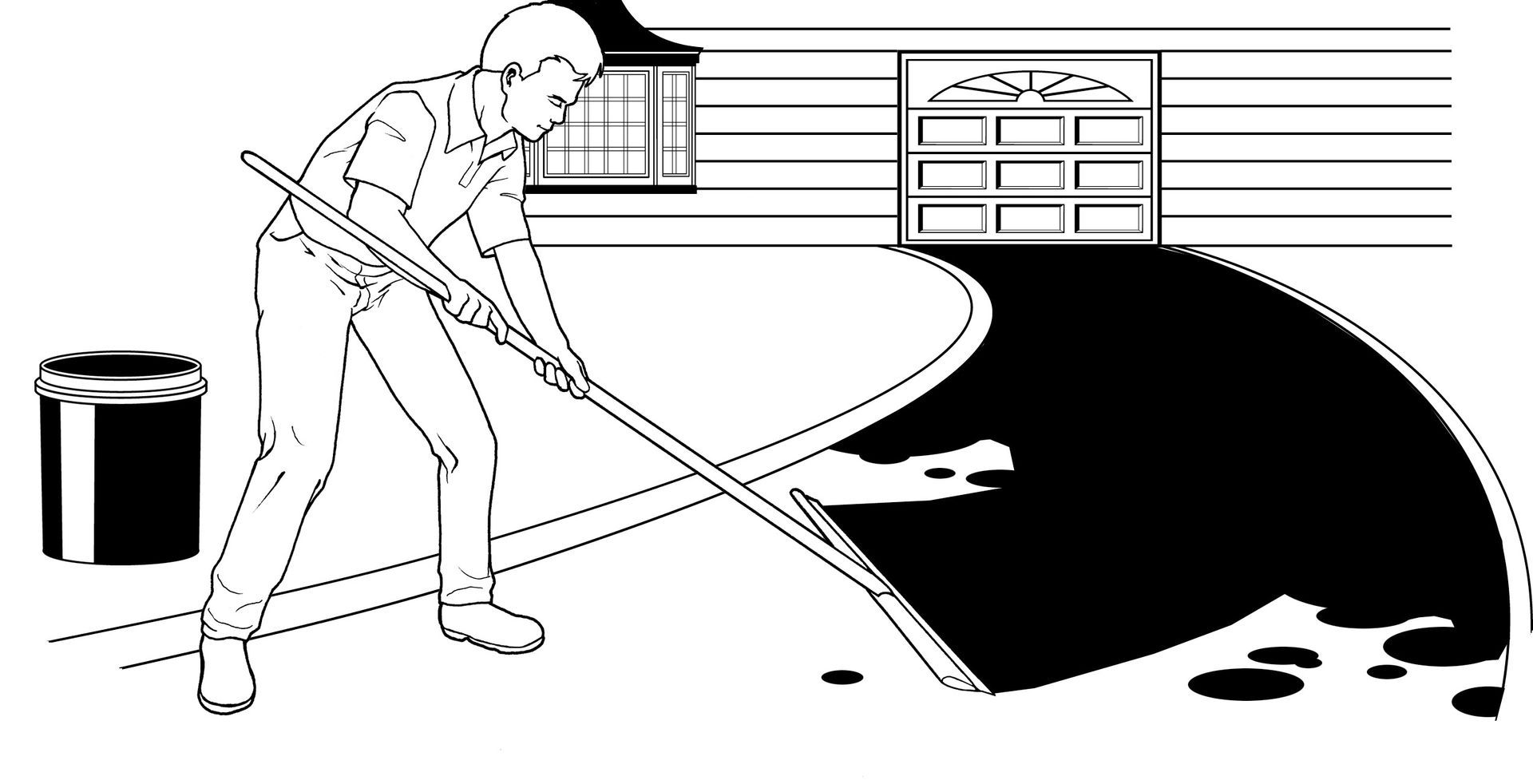
Another critical difference that shapes the workflow of professional paving contractors is the complex management of daily vehicle traffic logistics and tight physical site constraints during the installation phase. A residential driveway installation presents a very straightforward, low-risk field environment, allowing the crew to close off the single entry track completely for a day or two while the family parks their vehicles along the neighborhood street.
When commercial paving contractors take on a major shopping center, a busy regional hospital, or an active industrial warehouse yard, they cannot simply shut down the entire property without causing massive financial losses and operational chaos. To keep the local economy moving smoothly, specialized paving contractors must execute detailed, multi-phase layout plans that break the project down into separate, workable zones. They often deploy heavy machinery late at night or over holiday weekends, using clear detours and temporary striping to keep traffic flowing safely. Relying on the advanced project management skills of commercial paving contractors ensures the property remains open and accessible, eliminating expensive logistical downtime for the business.
Utilizing Specialized Heavy Industrial Machinery Assets
The physical size and layout of the project site also dictate the specific types of specialized heavy industrial machinery assets that paving contractors must deploy to achieve an optimal, long-lasting compaction finish. Home driveways feature tight curves, narrow boundary fences, and delicate landscape gardens that require a high degree of physical agility and precise manual control from the equipment operators.
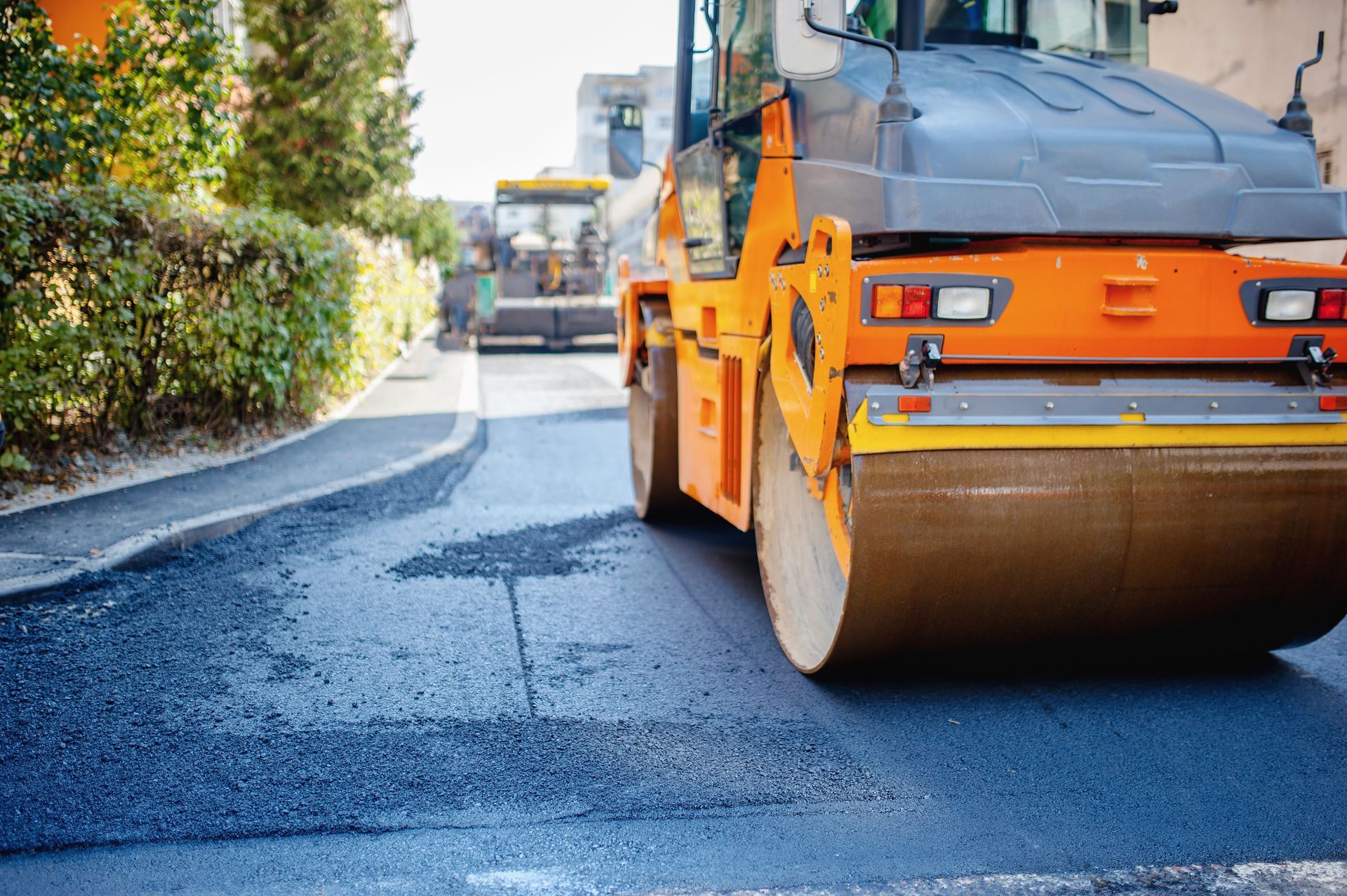
To navigate these confined spaces safely, residential paving contractors utilize smaller, highly maneuverable asphalt pavers and compact, single-drum vibrating rollers that can shape smooth paths without clipping brick mailboxes or crushing ornamental flowerbeds. On the giant canvas of a commercial project, large-scale paving contractors roll out massive, wide-track highway pavers that can lay down a continuous sheet of hot asphalt up to twenty-five feet wide in a single pass. They follow these giant machines with a team of multi-ton tandem steel rollers and pneumatic tire compactors to bind the aggregate layers together tightly. Trusting your project to paving contractors who own the correct equipment scale eliminates uneven seams and cold joints, delivering a uniform, mirror-smooth finish across the entire property.
Navigating Permitting Laws and Legal Code Compliance
The final, highly protective process difference that separates these two installation tracks involves navigating the complex web of municipal permitting laws, local zoning regulations, and strict federal accessibility code compliance. Homeowners usually face very minimal regulatory hurdles when refreshing an existing driveway layout, typically requiring only a simple local building permit and basic compliance with standard property line setbacks.
For commercial operations, professional paving contractors must design every square foot of the layout to satisfy rigid legal codes, including the precise slope ratios and parking space allocations mandated by the Americans with Disabilities Act (ADA). Furthermore, commercial paving contractors must work closely with civil engineers to build advanced stormwater management systems, including porous pavement zones and concrete catch basins to prevent flash flooding. Securing these technical approvals through licensed paving contractors keeps your business fully protected from expensive municipal fines and future injury lawsuits, transforming a basic asphalt installation back into a perfectly legally secure commercial asset.
Ultimately, keeping an exceptionally smooth, reliable, and cost-effective driving surface operating over the long haul requires a complete shift away from cheap gravel patches, unverified material mixtures, and long-delayed maintenance habits in favor of an elite infrastructure plan run by verified paving experts. Your property's driveways, shipping lanes, and parking layouts function as the absolute foundation for your daily logistical success and represent a major corporate or personal financial asset, meaning that trying to save a few dollars on low-grade aggregate fills or skipping proper professional compaction will only lead to deep potholes, premature surface crumbling, and incredibly expensive structural restoration bills down the road.
Shifting your property preservation focus to a proactive, professionally managed pavement strategy is the single most effective way to insulate your household or corporate budget from unexpected infrastructure emergencies and permanently elevate your everyday peace of mind through any season. By taking immediate control of your construction goals and placing your trust in an experienced team of paving craftsmen, you successfully safeguard your hard-earned assets and maximize your building's overall real estate value. If you notice structural cracks spreading across your current driveway, see heavy stormwater pooling along your shipping lanes, or are ready to transform your rough driving surface into a spectacular, permanently smooth architectural masterpiece, contact Driveways by Heap online today to secure the elite
paving contractors your property transition deserves!




Share On: