






How Asphalt Trends Boost Driveway Paving
By Robert Heap | March 2, 2026
The asphalt paving industry has seen a remarkable transformation in recent years, driven by technological advancements, environmental concerns, and shifting homeowner priorities. Asphalt remains one of the most popular choices for residential driveways due to its durability, adaptability, and overall cost-effectiveness. Modern paving services now offer solutions that extend the life of driveways, reduce maintenance needs, and improve curb appeal. These advancements encompass innovations in material production, installation techniques, and sustainable practices, all of which contribute to a higher-quality product.
Asphalt paving is no longer merely a functional solution; it has become a key element in property design and home improvement. Improvements in production and installation techniques mean driveways can withstand heavier loads, resist cracking, and retain their aesthetic appeal for decades. With approximately 38,000 miles of asphalt pavement constructed annually in the United States, according to Asphalt Calculator, the impact of these innovations is significant.
Technological Innovations in Asphalt Production
Modern asphalt production has benefited from advances in technology that improve both quality and consistency. Precision mixing and advanced filtration systems remove impurities and create more uniform blends, resulting in pavements that perform better under stress. Automation in asphalt plants has also allowed manufacturers to monitor production closely, reducing errors and ensuring consistent quality. These improvements in production processes have made asphalt driveways more durable and reliable, reflecting the growing expertise and efficiency of modern paving services.
In addition to automation, smart production systems help reduce environmental impact. High-efficiency machinery and cleaner fuel sources minimize emissions, while recycling programs integrate reclaimed asphalt into new projects. Homeowners now benefit from asphalt driveways that are not only more durable but also more sustainable. These improvements demonstrate the dual role paving services play: providing high-quality residential solutions while supporting environmentally responsible practices.
Integration of Smart Technologies
The integration of smart technologies into asphalt paving has begun to reshape how driveways are designed and maintained. Sensor technology embedded in pavements allows for real-time monitoring of stress points, temperature, and moisture levels. This data enables paving services to predict potential issues before they become serious problems, ensuring driveways remain in optimal condition over time. For homeowners, this translates into longer-lasting surfaces, fewer unexpected repairs, and a more reliable investment.
The Internet of Things (IoT) has also become a valuable tool for paving services. IoT-enabled devices can communicate maintenance needs directly to service providers, allowing for better resource allocation and timely interventions. Predictive maintenance, driven by historical data and real-time monitoring, improves cost efficiency and reduces the likelihood of major damage. This adoption of smart technology highlights how modern paving services are becoming data-driven, using advanced tools to enhance both performance and longevity of asphalt driveways.
Enhanced Asphalt Mixing Techniques
Innovations in asphalt mixing techniques have dramatically improved pavement performance. High-shear mixing and precise temperature controls produce blends that resist cracking, rutting, and premature wear. These methods ensure driveways remain smooth, resilient, and able to handle heavy loads for years. Paving services that adopt these techniques can deliver higher-quality driveways that satisfy homeowners seeking both functionality and visual appeal.
Additives and polymers have also become central to modern asphalt production. These enhancements improve the pavement’s resistance to temperature extremes and heavy use, extending the lifespan of driveways significantly. Warm mix asphalt (WMA) has emerged as an environmentally friendly option, allowing compaction at lower temperatures, reducing energy consumption, and decreasing greenhouse gas emissions. By embracing these methods, paving services ensure that residential projects are both high-performing and sustainable.
Automation in Asphalt Laying
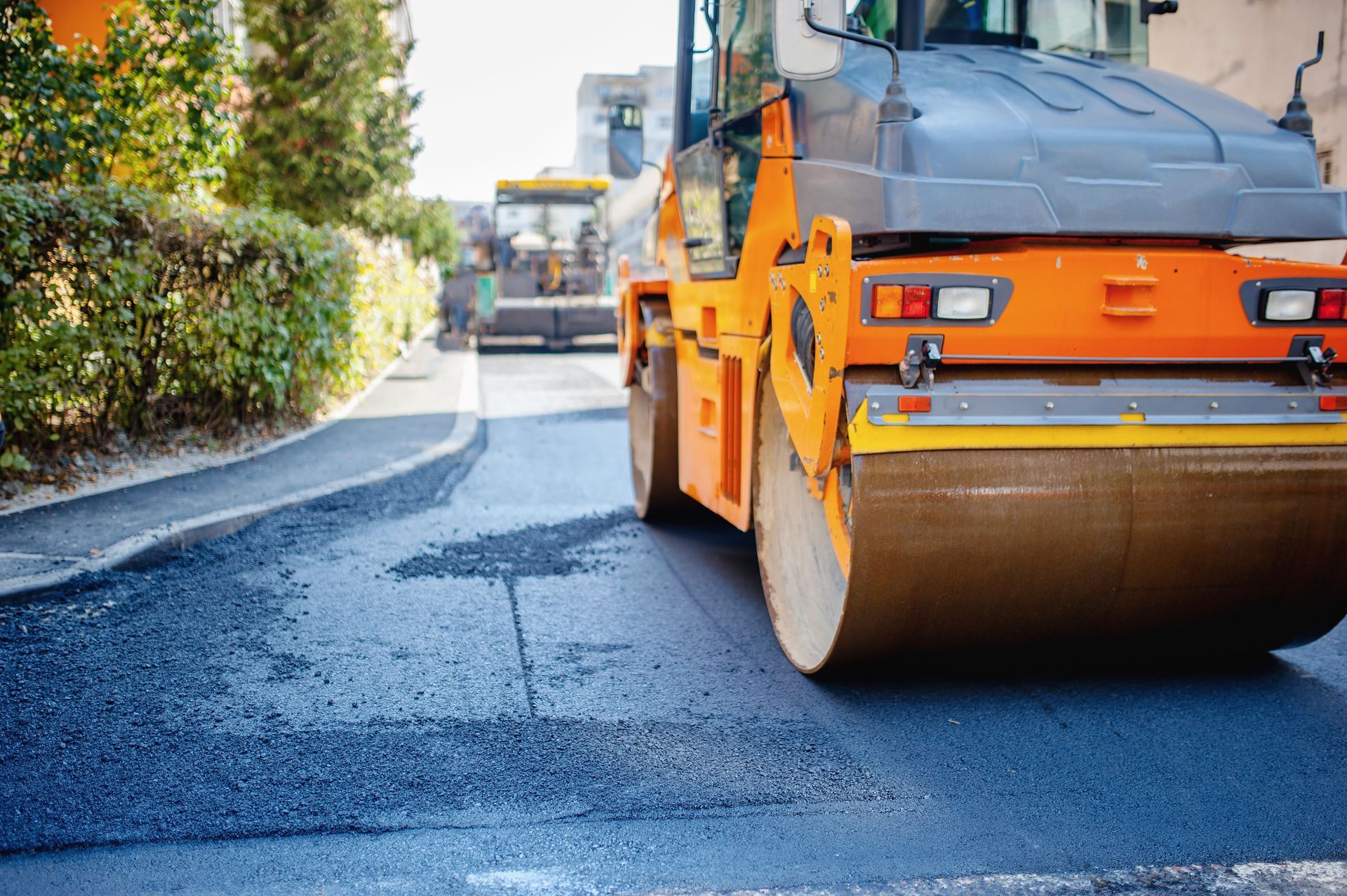
Automated paving machinery has revolutionized how asphalt is laid, offering precision, speed, and uniformity that manual methods cannot match. GPS-guided pavers can follow detailed plans accurately, creating smooth and consistent surfaces. This level of precision ensures that driveways are not only functional but also aesthetically pleasing. Automation also reduces labor requirements, allowing paving services to allocate resources to quality control and project oversight.
In addition, modern pavers can adapt to environmental conditions such as humidity, temperature, and surface irregularities. This adaptability ensures optimal installation under varying circumstances, reducing errors and enhancing durability. For homeowners, automated paving results in smoother, longer-lasting driveways that require less frequent maintenance. Overall, automation is a cornerstone of modern paving services, combining efficiency, quality, and innovation to deliver superior residential solutions.
Sustainability and Eco-Friendly Practices
Sustainability has become a primary focus in asphalt paving, with many services emphasizing the use of recycled materials. Reclaimed asphalt pavement (RAP) is widely used, reducing landfill waste and conserving natural resources. Recycled asphalt maintains performance standards comparable to virgin materials while supporting environmentally responsible construction. Paving services that incorporate RAP contribute to greener practices while offering homeowners cost-effective, long-lasting solutions.
Water-permeable asphalt is another innovation promoting environmental sustainability. These pavements allow rainwater to pass through, reducing runoff and mitigating flood risks. They also filter pollutants and replenish groundwater, providing ecological benefits for urban and suburban properties alike. Paving services that use permeable asphalt can deliver driveways that are functional, visually appealing, and environmentally responsible, aligning with the increasing demand for green infrastructure solutions.
Biodegradable asphalt is emerging as a further option for sustainable projects. By utilizing plant-based or modified waste materials, biodegradable pavements reduce reliance on nonrenewable resources. While still developing, these materials demonstrate the industry’s commitment to innovation and eco-conscious practices. Homeowners benefit from driveways that are durable, reliable, and aligned with modern environmental standards, reflecting the broad scope of services offered by forward-thinking paving companies.
Extended Lifespan and Cost Efficiency
Modern asphalt driveways are designed to last decades, minimizing the frequency and cost of maintenance. High-quality materials, improved mixing techniques, and precise installation methods combine to create surfaces capable of withstanding heavy traffic, weather fluctuations, and wear over time. For homeowners, this means fewer repairs, lower lifetime costs, and a more attractive investment in their property. Paving services leverage these advancements to provide driveways that offer both long-term value and aesthetic appeal.
Bulk material management and efficient workflow planning further enhance cost efficiency. Purchasing materials in large quantities, storing them properly, and optimizing project timelines allow paving services to reduce overall expenses. These savings benefit homeowners directly, providing high-quality asphalt driveways without inflated costs. Sustainable practices, combined with efficient project management, ensure that residential paving projects meet both economic and environmental goals.
Future Trends in Residential Paving
The future of residential asphalt paving will likely emphasize smart, sustainable, and visually appealing solutions. Technologies such as self-healing asphalt, AI-driven paving monitoring, and advanced, environmentally friendly materials will continue to emerge. Paving services that adopt these innovations can provide homeowners with driveways that are not only durable and functional but also adaptive to evolving environmental and technological standards.
Homeowners increasingly expect paving solutions that balance performance, aesthetics, and sustainability. Paving services that integrate cutting-edge technologies, environmentally conscious practices, and skilled craftsmanship are well-positioned to meet these expectations. The combination of innovation and expertise ensures that residential driveways remain valuable assets, enhancing property appearance while providing reliable, long-lasting infrastructure.
Asphalt paving has evolved into a sophisticated, technology-driven, and environmentally conscious industry. Modern paving services now offer homeowners innovative solutions that extend driveway lifespan, enhance durability, and support sustainability. From advanced mixing and automation to recycled and permeable materials, the industry demonstrates how residential driveways can be both functional and visually appealing. With approximately 38,000 miles of asphalt pavement constructed annually in the U.S., these innovations are essential in meeting growing demand and improving residential infrastructure.
For homeowners seeking dependable, long-lasting, and attractive driveways, partnering with expert paving services is key. Driveways by Heap provides the experience, technology, and materials necessary to deliver superior asphalt driveways tailored to each property. With a commitment to quality and sustainability, we ensure that every project enhances both functionality and curb appeal.




Share On: