






How Routine Sealcoating and Repairs Can Extend the Life of Asphalt Pavement
By Robert Heap | August 30, 2026
Asphalt pavement represents a significant structural investment for any residential home or commercial establishment. Whether managing a long residential entryway or an expansive commercial parking lot, maintaining a safe and resilient surface requires ongoing attention and proper care. While asphalt is known for its incredible strength and durability, constant traffic, heavy vehicles, and daily weather exposure gradually take a toll on its structural integrity. Routine surface sealcoating and prompt structural repairs are essential practices that shield against early breakdown and costly full replacements. By committing to proactive maintenance strategies, property owners safeguard their functional investments while preserving the clean visual appeal of their surfaces. Working with established surface professionals brings necessary technical know-how and commercial equipment directly to your site, ensuring long-term surface stability. In this detailed guide, we explore how systematic protective applications and timely surface interventions preserve structural integrity, prevent water damage, and maximize the operational lifespan of your paved investment.
Understanding the Structural Mechanics of Paved Surfaces
To appreciate the benefits of routine maintenance, one must understand how asphalt surfaces are constructed and constructed to handle daily stress. High-grade asphalt paving consists of carefully measured aggregate stone mixtures, sand, and liquid bitumen binder applied over a compacted base layer. The bitumen acts as an adhesive glue, holding aggregate materials together to form a smooth, flexible surface capable of supporting heavy loads. Over time, continuous heavy traffic and mechanical strain break down binder flexibility, causing initial surface fatigue. Regular maintenance protects the binder from early oxidation, keeping the aggregate tightly bound. Understanding these structural mechanics highlights why routine surface care is essential for maintaining load capacities and long-term durability across all paved environments.
Protecting Surfaces Against Environmental Oxidation
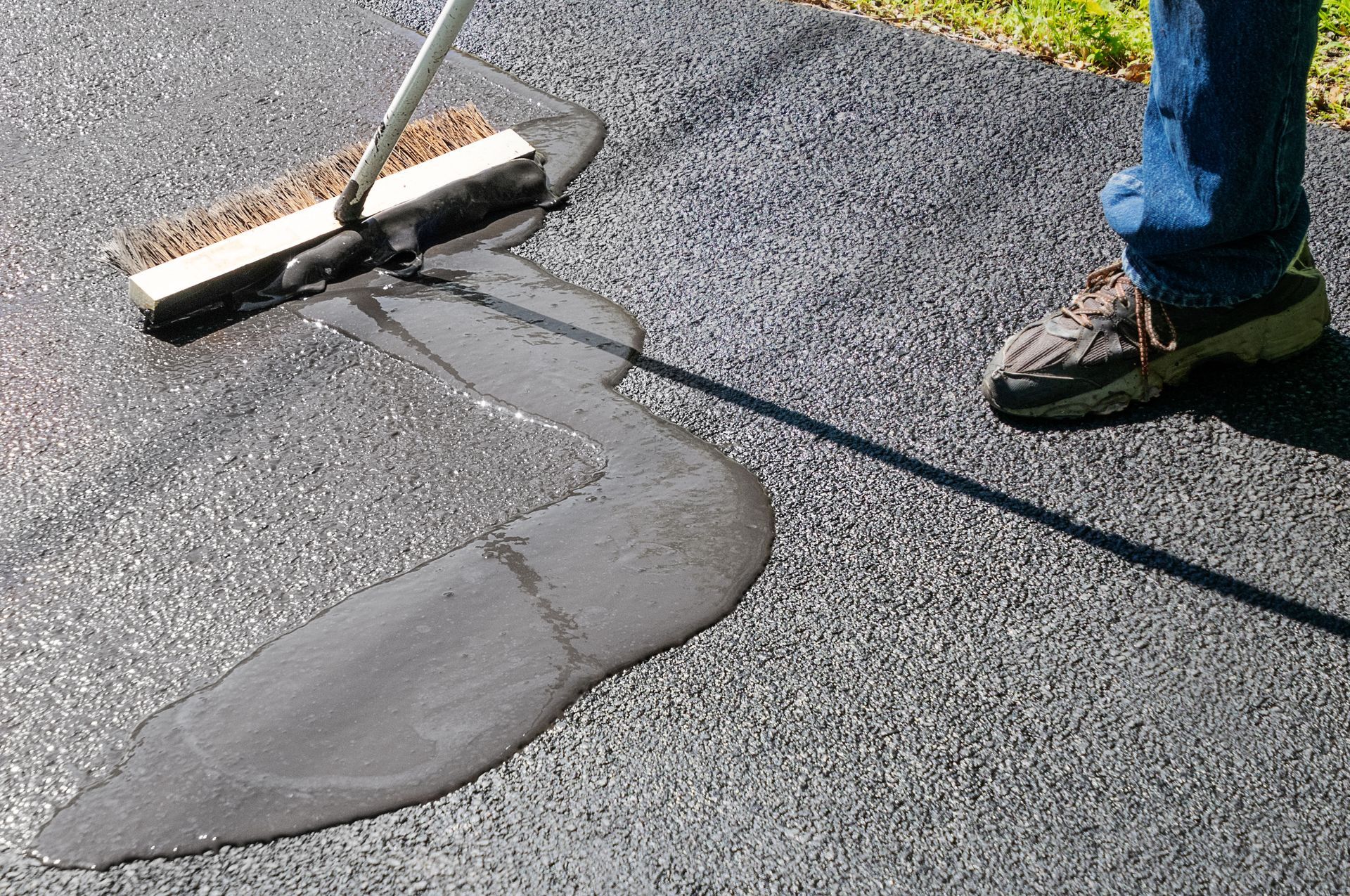
Exposure to sunlight and atmospheric oxygen remains one of the primary causes of surface deterioration across modern asphalt paving installations. Ultraviolet radiation breaks down the liquid bitumen binder, causing dark black surfaces to fade into brittle gray finishes. As oxidation progresses, the asphalt loses its internal flexibility, becoming increasingly susceptible to surface cracking under ordinary vehicle weight. Applying a high-performance surface sealcoat creates an impenetrable barrier against harmful ultraviolet rays and oxidative gases. This protective shield seals in vital essential oils, preserving surface flexibility and preventing aggregates from loosening, effectively halting early oxidation before structural damage occurs.
Preventing Moisture Infiltration and Water Damage
Water infiltration poses a major threat to structural sub-base stability beneath any paved driveway or roadway. When tiny surface fractures form, rainwater and surface runoff seep deep into underlying aggregate base layers, weakening structural support. According to Bob Vila, an asphalt driveway can generally last 20 to 30 years, but unchecked water intrusion can drastically shorten that operational timeline. Professional asphalt paving contractors apply protective sealcoats to fill microscopic voids, preventing liquid moisture from migrating downward. Sealing out moisture protects foundational soils from softening, ensuring your surface maintains structural integrity through periods of prolonged, heavy rain.
Mitigating the Effects of Freeze and Thaw Cycles
In regions experiencing winter freezing, moisture trapped within small surface cracks poses severe risks to asphalt paving projects. As standing water freezes inside fine surface fractures, it expands rapidly, exerting tremendous internal pressure on surrounding aggregates. This continuous freeze and thaw cycle expands hairline cracks into widespread structural failures, leading to surface unraveling and soft spots. Routine sealcoating combined with rubberized crack filler seals entry points prior to cold weather seasons. Preventing water entry eliminates the internal expansion forces that destroy pavement structures during harsh winter freeze cycles.
Stopping Chemical Degradation from Vehicular Fluids
Automotive fluids, including motor oil, gasoline, diesel fuel, and transmission fluid, act as aggressive chemical solvents on asphalt paving binders. When vehicular liquids leak onto unsealed surfaces, they quickly dissolve the petroleum-based bitumen binder, causing aggregate materials to loosen and detach. Over time, these chemical spills produce soft, crumbling depressions that require deep structural patching. Applying a chemical-resistant sealcoat creates a protective barrier that prevents hazardous fluids from penetrating binder layers. This chemical protection allows property owners to clean up accidental vehicular spills easily without suffering permanent surface breakdown.
Addressing Early Surface Cracks with Prompt Patching
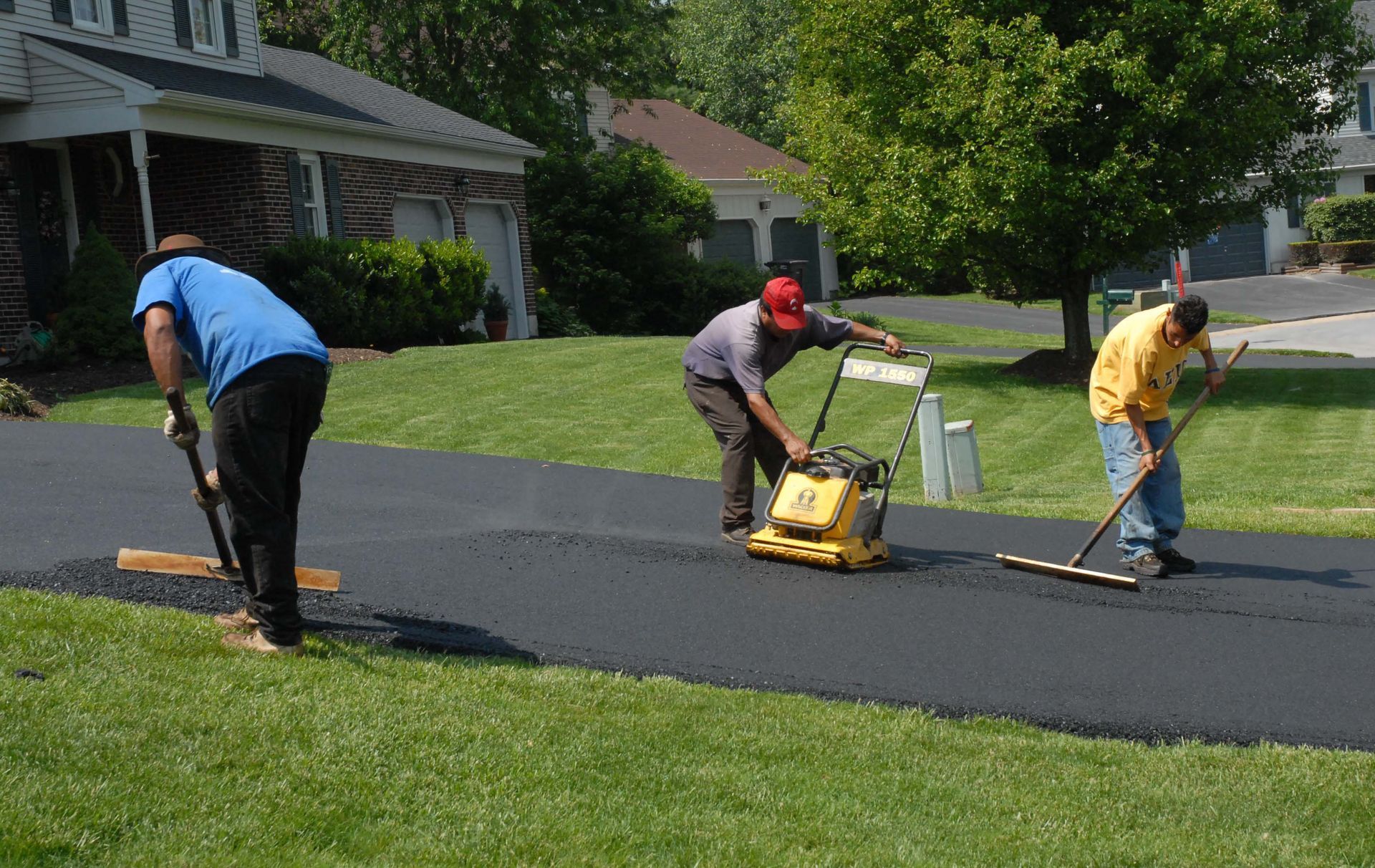
Unattended surface cracks allow moisture, dirt, and vegetation roots to compromise asphalt paving installations from within. When weeds take root inside open cracks, expanding root networks push aggregates apart, creating major structural displacement. Timely crack sealing and localized hot-mix patching prevent minor linear cracks from expanding into interconnected failure networks. Professional crews clean out debris, inject flexible hot-pour joint sealants, and level damaged areas to restore structural continuity. Addressing minor surface defects early prevents base contamination and eliminates the need for expensive full-depth reconstruction down the road.
Preventing Pothole Formation and Base Failure
Potholes develop when sub-base materials become soft, compromised, and displaced under continuous heavy traffic loads. Once sub-base support washes away, overlying asphalt paving layers collapse into underlying hollow voids under vehicle weight, creating hazardous potholes. Potholes create severe liability risks for property owners and cause significant mechanical damage to passing vehicles. Routine sealcoating and proactive crack repair keep sub-grade soils dry and stable, preventing base erosion from occurring. Protecting sub-grade integrity ensures vehicle weight remains evenly distributed across the entire surface layout, stopping pothole formation before it starts.
Restoring Visual Appeal and Enhancing Safety
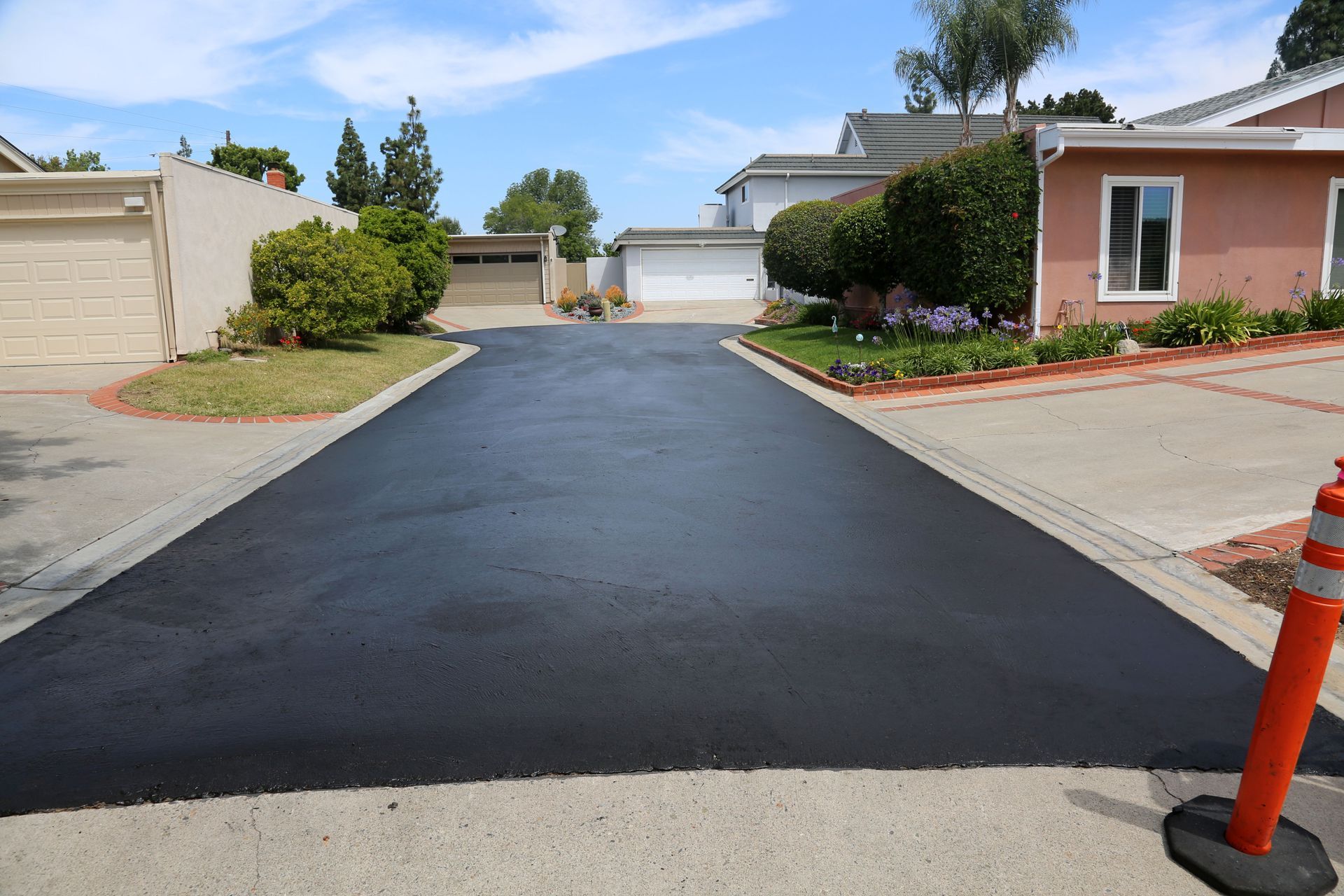
Beyond structural protection, routine maintenance drastically enhances the overall appearance and safety of asphalt paving installations. Freshly applied sealcoating restores a deep, rich black finish that gives residential driveways and commercial parking lots a clean, well-maintained look. For commercial properties, a dark, smooth surface provides contrast for bright parking lot line striping, pedestrian crosswalks, and directional markings. Clear surface markings improve traffic flow and reduce pedestrian accidents across busy facilities. Maintaining high visual standards boosts property curb appeal while demonstrating a clear commitment to visitor safety.
Achieving Long-Term Cost Savings and Value Preservation
Investing in systematic sealcoating and minor surface repairs yields significant financial savings throughout the lifespan of any asphalt paving project. The cost of applying protective sealcoats and filling minor surface cracks is minimal compared to the extensive expense of full resurfacing or base reconstruction. Deferring routine maintenance leads to accelerated structural breakdown, forcing property owners into premature surface replacements. A proactive maintenance strategy extends surface usability, minimizes emergency repair costs, and maximizes your initial capital investment over decades of reliable service.
Selecting Professional Maintenance Services and Materials
Achieving optimal maintenance results requires commercial-grade materials, specialized machinery, and proven application techniques. Qualified asphalt paving contractors assess specific site conditions, traffic loads, and environmental exposure to select the ideal sealant formulations and repair strategies. Professional teams utilize high-pressure cleaning equipment, hot-pour crack sealers, and commercial spray applicators to ensure uniform coverage and strong binder adhesion. Partnering with experienced crews guarantees that maintenance applications are executed efficiently, safely, and in full compliance with local building codes and industry standards.
Routine sealcoating and timely surface repairs represent the most effective, reliable approach for extending the life of your paved investment. From shielding surfaces against solar oxidation and harsh chemical spills to preventing moisture infiltration and freeze-thaw damage, proactive care keeps asphalt surfaces smooth, safe, and resilient. Avoiding shortcut maintenance practices protects your property against costly sub-base failures and early structural degradation. Committing to a systematic upkeep schedule preserves long-term property values, reduces lifetime repair expenses, and ensures exceptional performance for years to come. Ready to protect and enhance your residential driveway or commercial surface with industry-leading quality? Contact Driveways by Heap today to schedule a comprehensive project consultation and discover how our experienced team can maximize the lifespan of your pavement.



Share On: