






How Weather Conditions Affect Asphalt Driveways and Parking Lots
By Robert Heap | September 21, 2026
Asphalt driveways and parking lots provide smooth, durable surfaces for vehicles and pedestrians. These structures endure constant exposure to the outdoor elements, making them susceptible to environmental degradation over time. Weather remains a primary factor in the lifespan of commercial and residential pavement. Sun, rain, snow, and fluctuating temperatures play significant roles in breaking down the essential materials that bind the solid surface together. Property owners must understand these environmental stressors to maintain overall structural integrity.
Without proactive maintenance, environmental exposure leads to costly repairs and premature surface replacement. The continuous cycle of heating, cooling, and moisture penetration degrades the asphalt binding agents in the pavement. Recognizing the specific ways different seasons impact these flat surfaces allows property managers to take necessary protective measures. Hiring a professional paving contractor ensures that appropriate protective strategies are implemented to extend the life of the entire surface area.
The Impact of Summer Heat on Asphalt
High temperatures soften the chemical binding agents in pavement. Direct sunlight heats the dark asphalt surface, causing the material to become pliable under pressure. This softening makes the driveway or parking lot vulnerable to deformation under heavy vehicular loads. Vehicles parked in the exact spot for extended periods create deep depressions and noticeable indentations. Such surface deformities compromise the overall smoothness and aesthetic appeal of the commercial or residential property.
Ultraviolet radiation from the sun strips essential natural oils from the pavement. This chemical oxidation process causes the deep black color to fade to a dull, washed-out gray. As the oils evaporate into the atmosphere, the surface loses inherent flexibility and becomes rigid and brittle. Brittle surfaces crack under pressure instead of bending with the weight of traffic. Oxidation acts as the beginning stage of severe structural pavement deterioration.
Surface cracking opens the door for further elemental damage. When minor fissures form, the underlying base layers lose their crucial protective shield. Small surface imperfections expand as heavy vehicles repeatedly drive over the compromised and weakened areas. Addressing these early signs of solar oxidation prevents minor surface flaws from evolving into major structural failures. Regular sealcoating provides a necessary protective barrier against damaging ultraviolet rays.
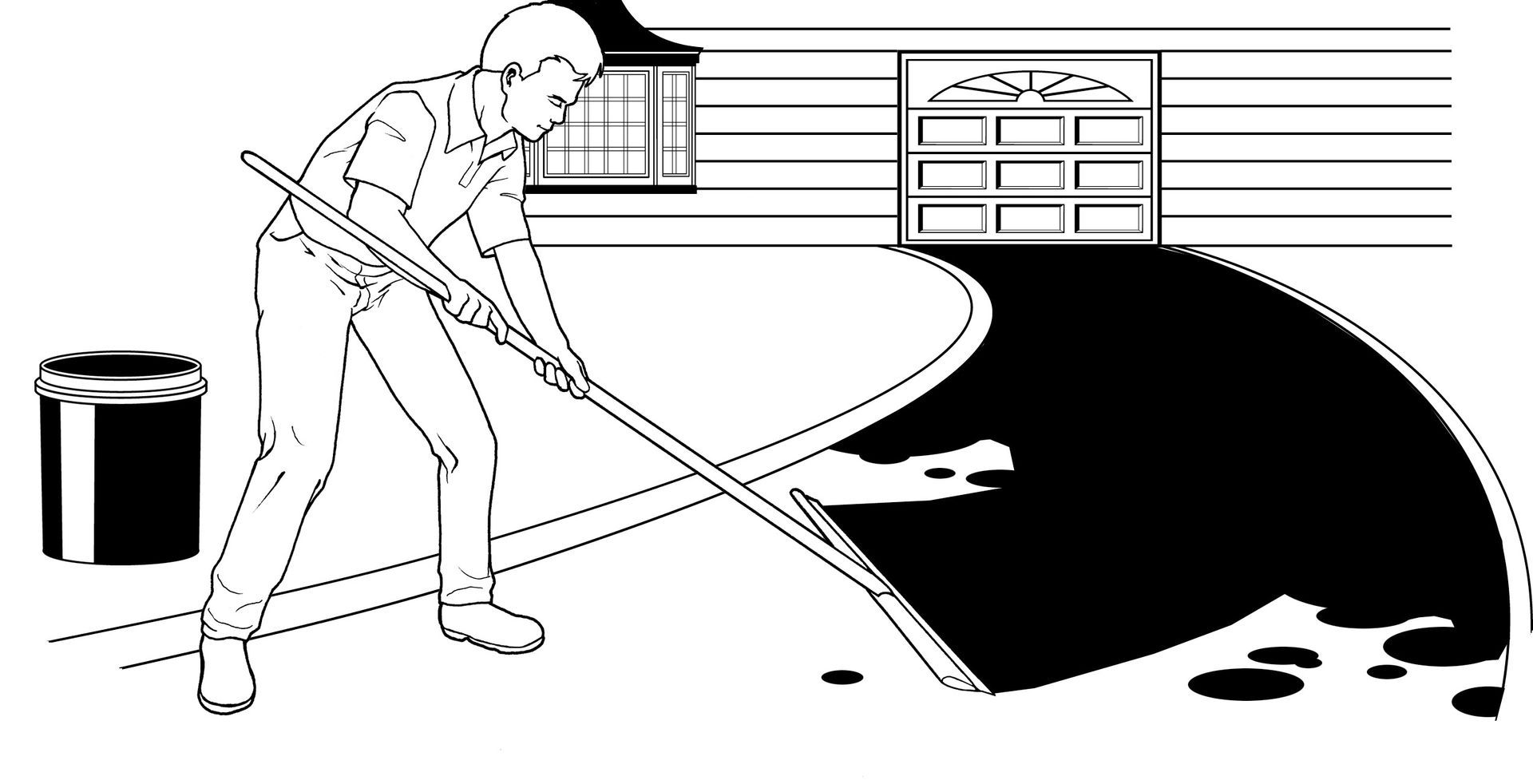
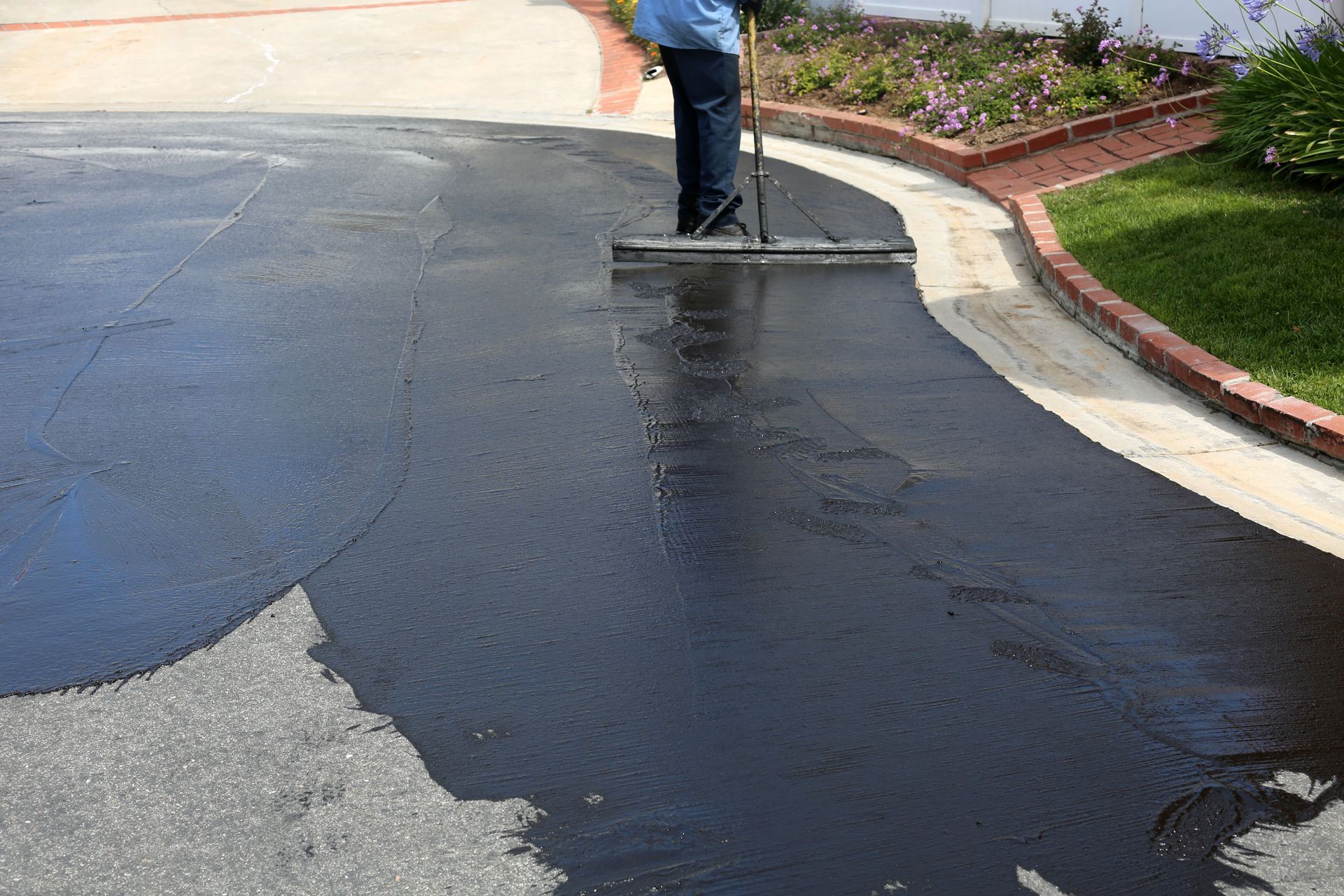
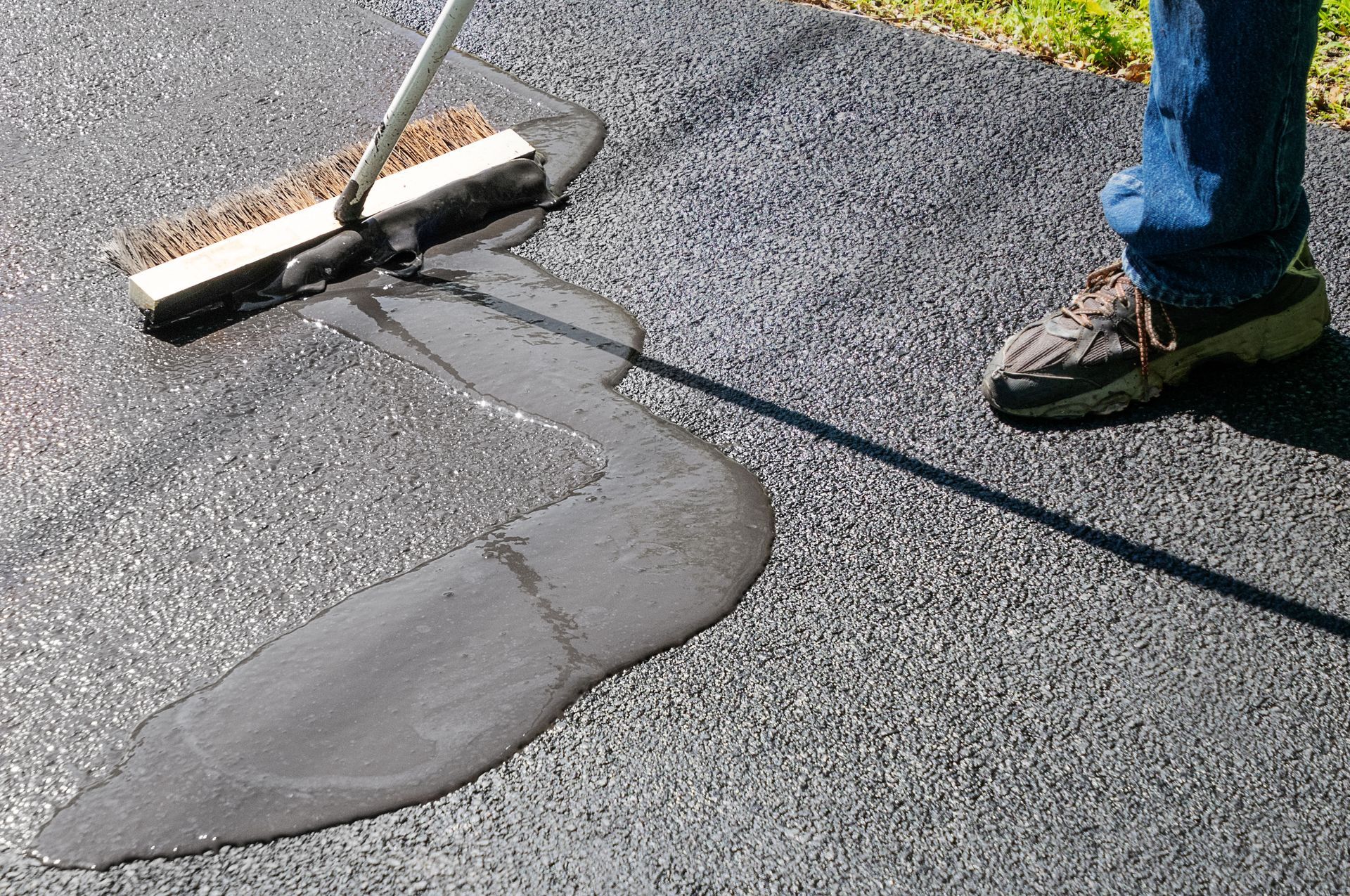
Applying a fresh sealcoat replenishes lost oils and restores surface flexibility. Property owners schedule this critical maintenance during warm months to ensure ideal material curing. A skilled paving contractor evaluates the level of surface oxidation before applying protective liquid coatings. Appropriate application techniques seal microscopic fissures and restore the rich dark appearance of the original pavement.
The Effects of Winter Cold on Pavement
Freezing temperatures introduce distinct physical challenges for driveways and parking lots. Cold weather causes asphalt materials to contract, which puts immense physical tension on the flat surface. This thermal contraction pulls the pavement apart, leading to deep transverse cracking. These structural fissures provide easy pathways for melting snow and solid ice to penetrate deep into the aggregate foundation beneath the top surface.
Moisture penetration combined with freezing ambient temperatures creates a destructive force for pavement. When liquid water seeps into open cracks and freezes solid, it expands in volume. This outward expansion forces the pavement upward, breaking apart the surrounding solid material. As the underground ice melts, it leaves a hollow void beneath the surface layer. Vehicles driving over these unsupported sections cause the heavy pavement to collapse, forming hazardous potholes.
Pothole formation requires prompt maintenance attention to prevent vehicle suspension damage and pedestrian tripping hazards. Property managers must prioritize patching these dangerous holes even during cold winter months. A qualified paving contractor utilizes specialized cold-weather asphalt mixtures to fill open voids until permanent hot-mix repairs become feasible. Ignoring deep potholes allows winter moisture to compromise larger sections of the underlying foundation.
Deicing chemicals and rock salt compound existing winter pavement damage. While necessary for pedestrian and vehicular safety, these harsh substances degrade the top surface layer of the pavement. The corrosive chemicals break down the asphalt binder, causing stone aggregates to loosen and separate from the mixture. Frequent surface sweeping and adequate water drainage mitigate the hazardous accumulation of corrosive melting agents on the flat surface.
The Role of Spring Rain on Surfaces
Spring brings abundant seasonal rainfall, testing the fluid drainage capabilities of parking lots and driveways. Standing water poses a severe environmental threat to pavement longevity. Poor physical grading or blocked catch basins allow rainwater to pool on the asphalt surface. Prolonged surface exposure to standing water breaks down the chemical bonds in the paving material, leading to surface unraveling and widespread structural weakness.
Proper water runoff remains critical for preserving the aggregate foundation. If rainwater infiltrates the sub-base, the underlying soil softens and loses vital load-bearing capacity. Heavy delivery vehicles navigating over a waterlogged base cause deep structural pavement depressions. Consulting a knowledgeable paving contractor helps identify hidden drainage issues before they compromise the entire structural foundation.
Spring reveals the accumulated physical damage from the preceding harsh winter season. The repeated freeze-thaw cycles leave behind fresh cracks and expanded surface fissures. This mild season serves as the optimal time for thorough pavement evaluations. According to This Old House, pavement should be inspected at least two times per year. Catching these structural issues early prevents minor crevices from expanding during heavy summer storms.
Vegetation growth presents another unique spring hazard for asphalt pavement. Seeds blown into unsealed cracks sprout invasive weeds and grass. The growing root systems of these plants exert remarkable upward pressure on the surrounding solid material. As roots expand underground, they push the heavy pavement upward and apart. Removing surface vegetation and filling the open cracks prevents root systems from establishing themselves in the aggregate foundation.
The Influence of Autumn Fluctuations on Driveways
Autumn brings unpredictable temperature swings, featuring warm sunny days and cold nights. This rapid thermal cycling forces solid pavement to expand and contract within short time periods. The constant physical movement stresses the chemical binding agents and exacerbates existing structural weaknesses. A proactive paving contractor recommends completing all major asphalt repairs before autumn temperature swings become severe.
Falling autumn leaves create hidden slipping hazards on parking lots and driveways. Accumulating foliage traps morning dew and moisture against the surface, preventing natural evaporation. This persistent dampness accelerates the chemical breakdown of surface sealants and binders. Decaying leaves release harsh organic acids that stain and eat away at the protective top layer of the asphalt pavement.
Routine surface sweeping during autumn prevents leaf accumulation and hazardous moisture retention. Keeping the asphalt surface clear allows property managers to monitor the physical condition of the pavement. Concealed surface cracks fill with organic debris and rainwater, setting the stage for devastating winter ice damage. Clearing organic debris ensures fresh sealants and crack fillers adhere to the clean surface.
Autumn serves as the final seasonal opportunity to prepare pavement for the harsh upcoming winter months. Crack sealing during this transitional season prevents melting snow from infiltrating the vulnerable base layer. Applying fresh protective sealant locks out external moisture and provides a strong barrier against upcoming heavy snow plows and corrosive deicing chemicals. Preparation in autumn dictates the overall survival of the pavement through winter.
Weather conditions exert constant physical pressure on asphalt driveways and parking lots throughout the changing annual seasons. From the intense solar heat of summer to the freezing precipitation of winter, the outdoor environment tests the durability of these flat surfaces. Partnering with an experienced paving contractor ensures that surfaces receive the appropriate care at the correct time of year. When you need an experienced paving contractor to protect your asphalt from the harsh outdoor elements, give our team at Driveways by Heap a call. We are ready to evaluate your property and schedule your seasonal maintenance today.




Share On: